Know What It Means To Be A Caregiver
Your Number One Choice For Understanding Caregiving Education
In today’s world, caregiving awareness is more important than ever. Whether you’re a private practice, nonprofit, school, or community organization,
Learn Caregiving todaygives you a
turnkey solutionto launch or expand your outreach programs—online and in person. We make it simple, and powerful
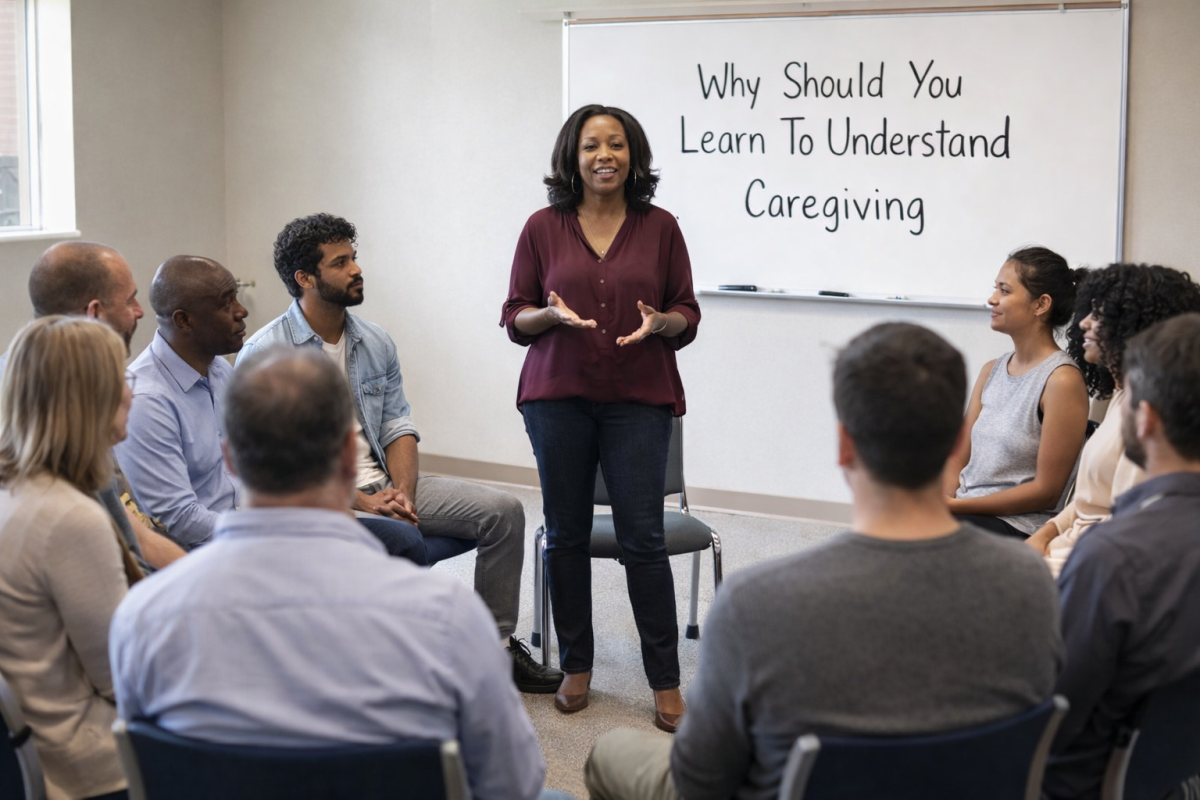
Why Choose To Learn About Caregiving
Caregiving Shapes Everyday Life
Caregiving isn’t just about medical support—it influences how we think, feel, and respond in daily situations. Learning about caregiving helps you better navigate family dynamics, work responsibilities, and personal relationships with empathy and confidence..
Knowledge Builds Stronger Communities
When people understand how to support themselves and others, communities become healthier and more connected. Caregiving skills reduce burnout, improve communication, and create safer, more supportive homes, workplaces, and social spaces.
You Can Make a Real Difference
You don’t need to be a professional to help someone meaningfully. With the right tools and understanding, anyone can provide emotional support, recognize needs early, and respond in ways that truly improve someone’s quality of life.
💜 Why Use This Caregiving Program?
- Completely Free– No cost, no hidden requirements, no pressure.
- Self-Paced Learning– Learn on your own schedule, from anywhere.
- Credible, Practical Content– Built to help real caregivers navigate real situations with confidence.
- Interactive Learning– Short lessons and activities designed to help you apply what you learn immediately.
- Inclusive & Accessible– Designed for family caregivers, community members, professionals, and everyday people supporting loved ones.
🌱 Key Caregiving Benefits
- Recognize early signs of physical, emotional, or mental strain in others and yourself.
- Learn how to respond calmly and effectively during caregiving challenges or crises.
- Reduce caregiver burnout through knowledge, boundaries, and self-awareness.
- Strengthen communication, patience, and emotional understanding.
- Create safer, more supportive homes, workplaces, and communities.
| Feature | Description |
|---|---|
| ✅ Short Caregiving Modules | Bite-sized, practical lessons designed to fit into busy caregiving schedules — each under 5 minutes. |
| 🧠 Interactive Format | Watch, reflect, and test your understanding after each lesson to reinforce learning. |
| 📜 Certificate of Completion | Downloadable certificate to recognize your commitment to caregiving education and awareness. |
| 🔓 No Sign-Up Required | No accounts. No emails. Just learning — simple, accessible, and stress-free. |
| 🔒 Safe & Private Access | Your learning is personal. No tracking, no ads, no data sharing. |

Learn With Our AI Tutor
Get the Information You Need To Know About Being A Caregiver
Understanding Caregiving
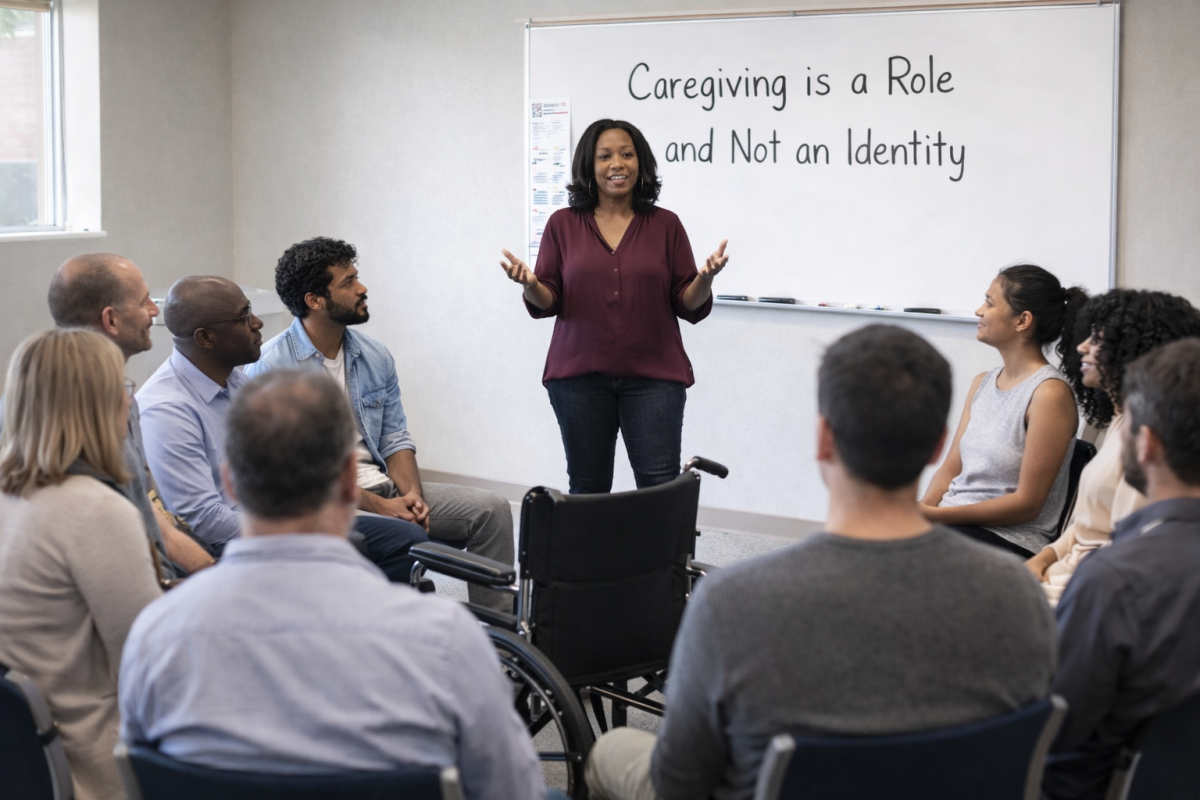
Learn what caregiving truly means, the responsibilities involved, and the emotional realities of supporting another person. This module lays the foundation for caregiving as a role—not an identity—while setting healthy expectations and boundaries from the start
Module 2: Types of Caregivers
Explore the different types of caregivers, including family caregivers, professional caregivers, agency-based aides, and independent providers. Understand how roles, responsibilities, and expectations vary depending on the caregiving setting.
Module 3: Assessing Care Needs
Develop skills to recognize physical, emotional, cognitive, and daily living needs. This module helps caregivers observe changes, identify risks, and understand when care requirements evolve over time.
Module 4: Communication, Boundaries & Difficult Conversations
Learn effective communication strategies for caregiving environments, including setting boundaries and navigating challenging conversations with care recipients, family members, and professionals—while maintaining respect and dignity.
Module 5: Legal Basics for Caregivers
Gain an overview of essential legal concepts that affect caregivers, including consent, privacy, documentation, and role limitations. This module focuses on awareness—not legal advice—to help caregivers protect themselves and those they support.
Module 6: Medical Care Coordination & Advocacy
Understand how caregivers support medical care without practicing medicine. Learn how to track appointments, communicate with healthcare providers, advocate for care recipients, and recognize when concerns should be escalated.
Module 7: Personal Care, Safety & Preserving Dignity
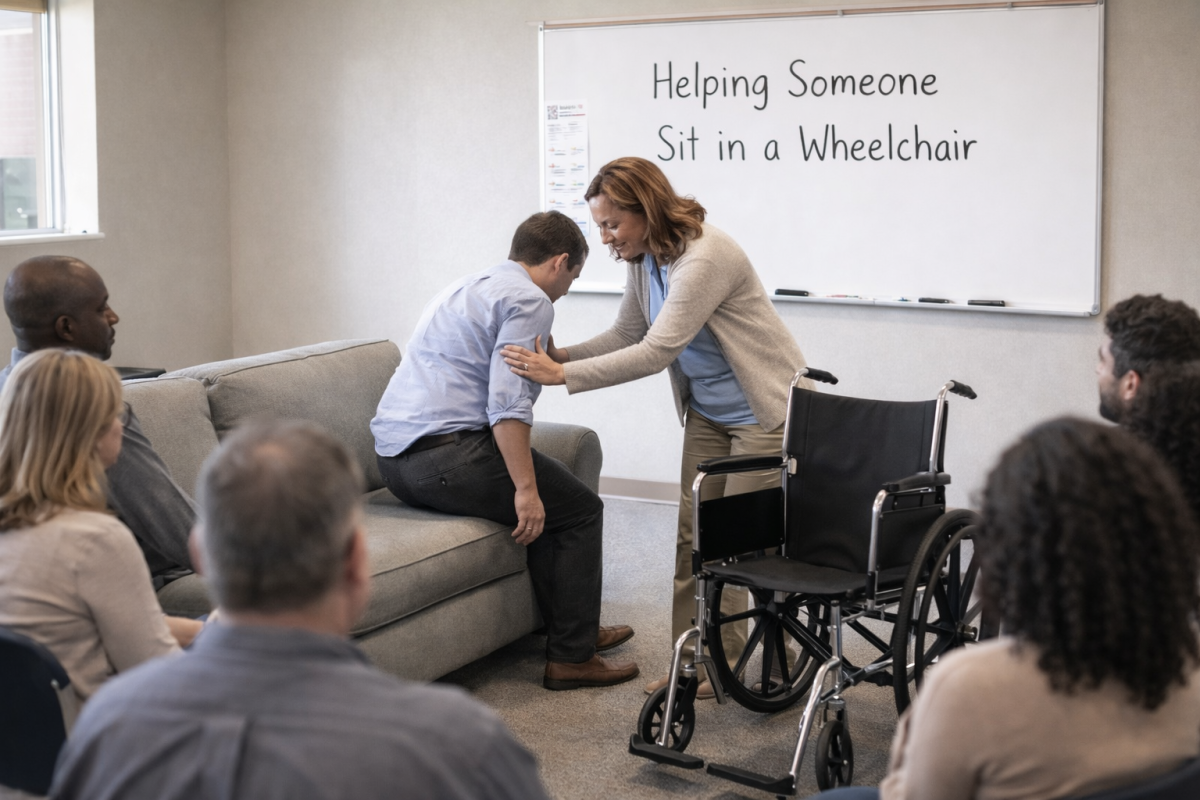
Explore best practices for assisting with personal care tasks while prioritizing safety, consent, privacy, and dignity. This module emphasizes respectful care and trauma-informed approaches to sensitive situations.
Module 8: Mental Health, Emotional Strain & Compassion Fatigue
Recognize the emotional impact caregiving can have on both caregivers and care recipients. Learn how mental health challenges, stress, and compassion fatigue appear—and how to respond with awareness, boundaries, and support.
Module 9: Burnout Prevention, Self-Care & Building Support Systems
Identify early signs of caregiver burnout and learn practical strategies for self-care, balance, and sustainability. This module emphasizes the importance of building support systems to protect long-term well-being.
Module 10: Financial Responsibilities & Caregiver Protection
Understand the financial responsibilities often associated with caregiving, including managing expenses, benefits, and record-keeping. This module also highlights safeguards that help protect caregivers from financial misunderstandings or exploitation
Module 11: Working With Professional Caregivers & Agencies
Learn how family caregivers and professional caregivers work together. This module explains roles, communication expectations, and how to collaborate effectively with agencies to ensure consistent, high-quality care.
Module 12: Crisis Situations & Emergency Preparedness
Prepare for emergencies by learning how to respond calmly and effectively during crises. This module covers planning, recognizing urgent situations, and understanding a caregiver’s role during medical or safety emergencies.
Module 13: Ethics, Difficult Decisions & Family Conflict
Explore common ethical challenges in caregiving, including difficult decisions and family disagreements. Learn how to navigate conflict respectfully while prioritizing safety, dignity, and the care recipient’s best interests.
Module 14: Transitioning Care — Assisted Living, Skilled Care & Hospice
Understand when and how caregiving transitions occur. This module addresses emotional, practical, and logistical considerations when moving from home care to assisted living, skilled nursing, or hospice services.
Module 9: Burnout Prevention, Self-Care & Building Support Systems
Identify early signs of caregiver burnout and learn practical strategies for self-care, balance, and sustainability. This module emphasizes the importance of building support systems to protect long-term well-being.